


 IT
IT  ZH
ZH  EN
EN  AR
AR  RU
RU  PT
PT  ES
ES  DE
DE  FR
FR  FI
FI  KO
KO  VI
VI  TH
TH  MS
MS  MN
MN  JA
JA HC Industry / LED Panel Applications
A strong LED wall does not begin as a screen fixed to a wall. In retail stores, lobbies and indoor brand spaces, it works best when the LED panels feel like part of the room: scaled to the architecture, comfortable to view and easy for the content team to use.
This article looks at how LED panels, LED screen panels and LED wall panels can support commercial interiors without turning the space into a noisy technology display.
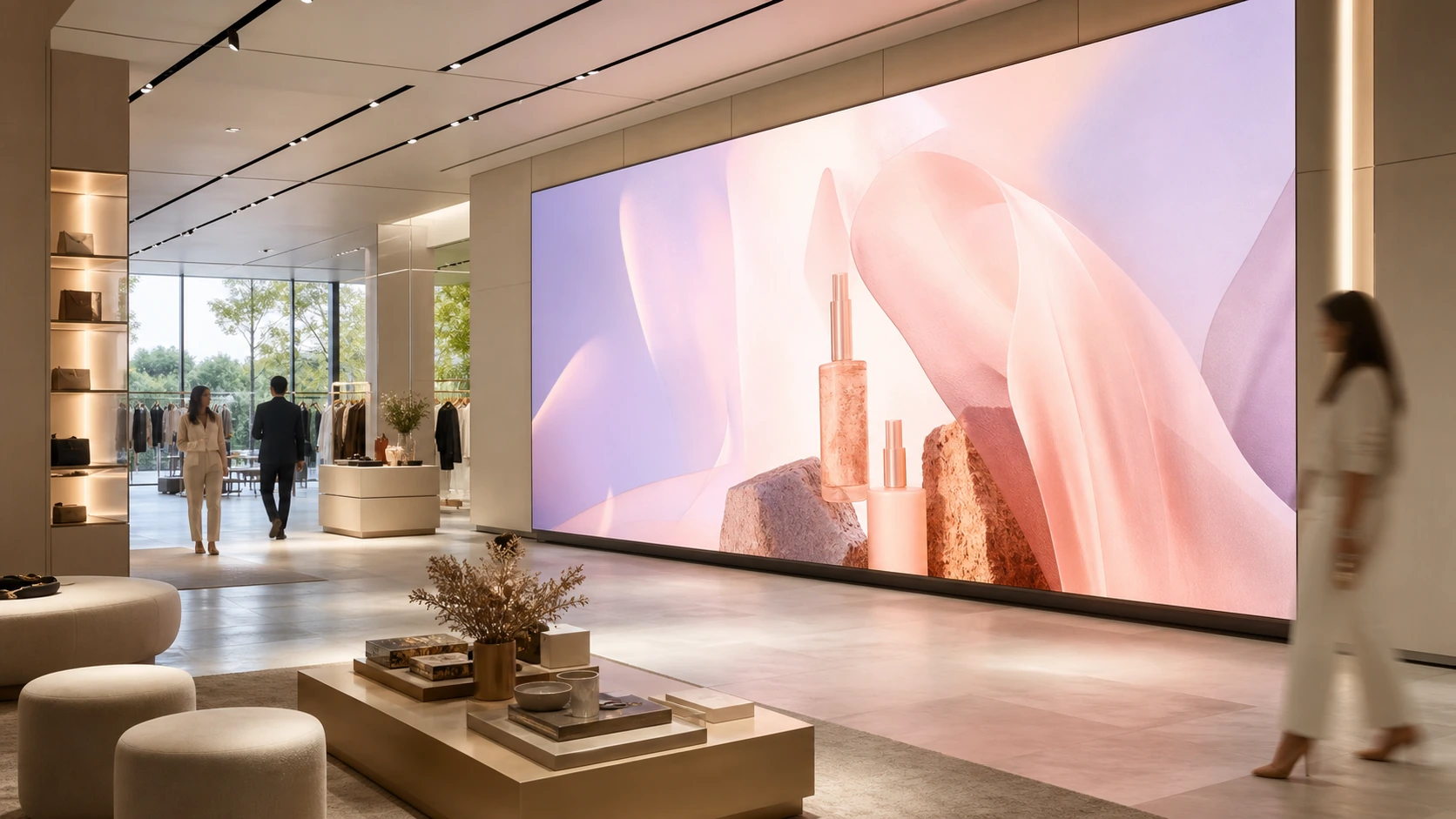
Retail brand spaces often need an LED panel wall that feels built into the interior, not added after the design is finished.
The practical shift
For many commercial projects, the question is no longer only “what screen size do we need?” It is “what visual surface should this space carry every day?”
A visual surface is different from a row of screens.
Commercial interiors are asking more from display surfaces. A retail wall may need to change campaign visuals without rebuilding the space. A showroom may need one calm, full-width visual field instead of separate screens. A lobby may need a large digital surface that looks architectural rather than temporary.
In these projects, searches such as display LED panel, display panel LED, panel LED screen and LED panel wall point back to one practical decision: how the screen surface should behave inside the room.
Retail walls need rhythm, not just brightness.
Retail environments use large LED display surfaces to carry seasonal campaigns, product mood visuals and brand messages. The wall has to guide the visitor’s eye without overpowering the merchandise around it.
A good LED panel wall gives the content team enough scale for brand storytelling while keeping the physical surface clean, continuous and easy to read from normal walking distance.
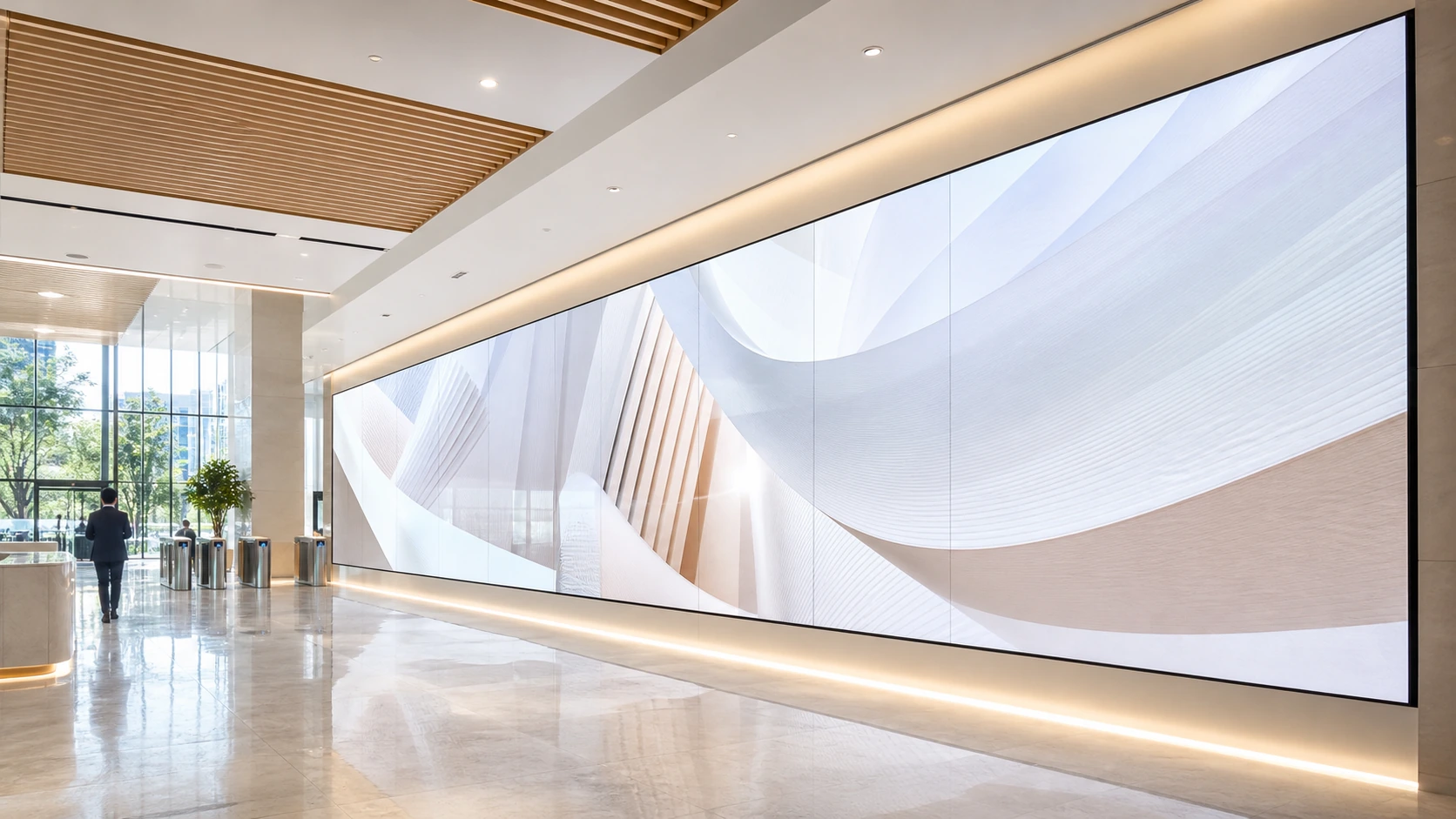
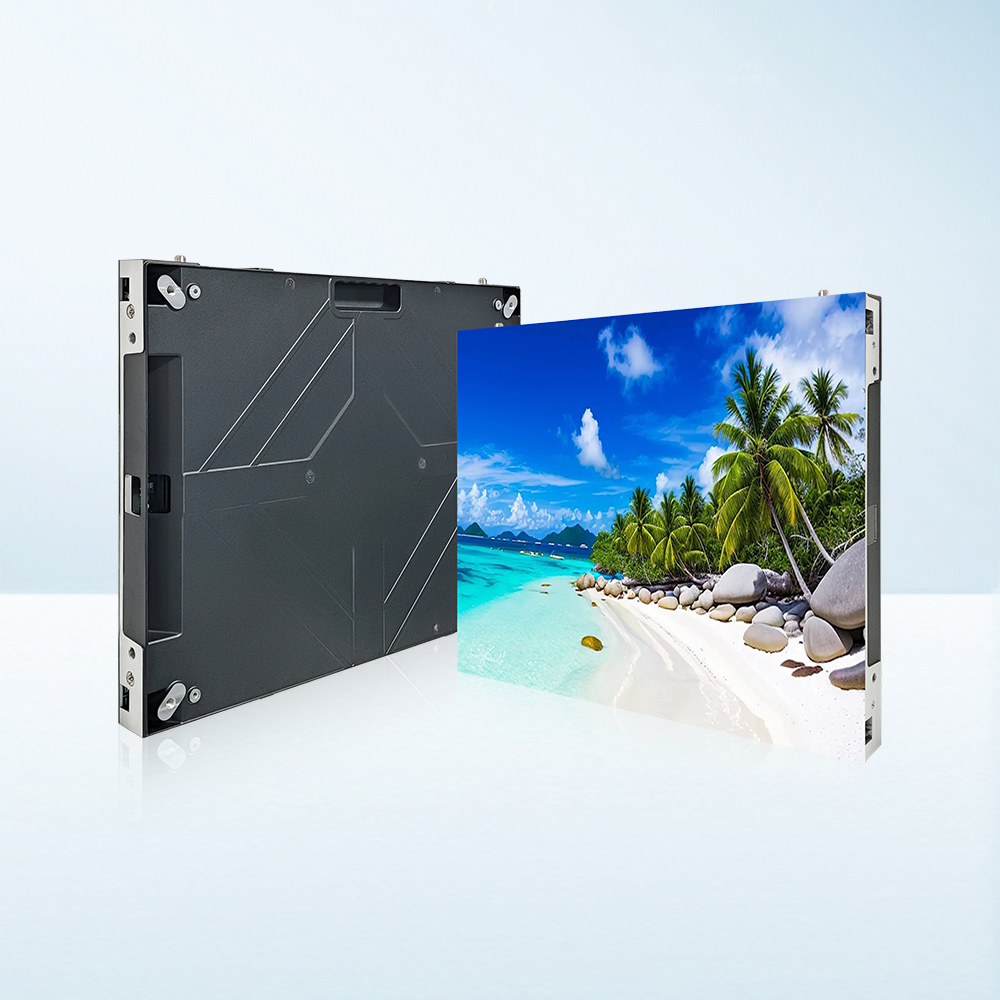
In a lobby or reception area, indoor LED wall panels can create a clean visual anchor while leaving the space readable and calm.
Indoor brand spaces depend on viewing comfort.
An indoor LED display is often viewed at a shorter distance than an outdoor advertising screen. That changes the way the LED screen panel should be selected. Pixel pitch, cabinet alignment, front maintenance access, brightness control and content scale all affect whether the final wall feels premium or tiring.
For showrooms, reception areas and retail interiors, HC Industry can position the conversation around indoor LED panels, LED display panels and complete LED wall applications instead of treating the screen as an isolated product.
Selection note
A project brief should describe the room, viewing distance, content rhythm and maintenance access before it locks the final LED panel specification.
The modular logic behind seamless LED panels.
A seamless LED wall is still built from repeatable modules and cabinets. The surface looks calm only when the technical layer is planned carefully: panel alignment, power and signal routing, installation depth, servicing method and the relationship between the screen edge and the surrounding wall.
That is why phrases such as LED screen panels, LED display panel and LED wall panels are useful only when they lead to a more precise project discussion.
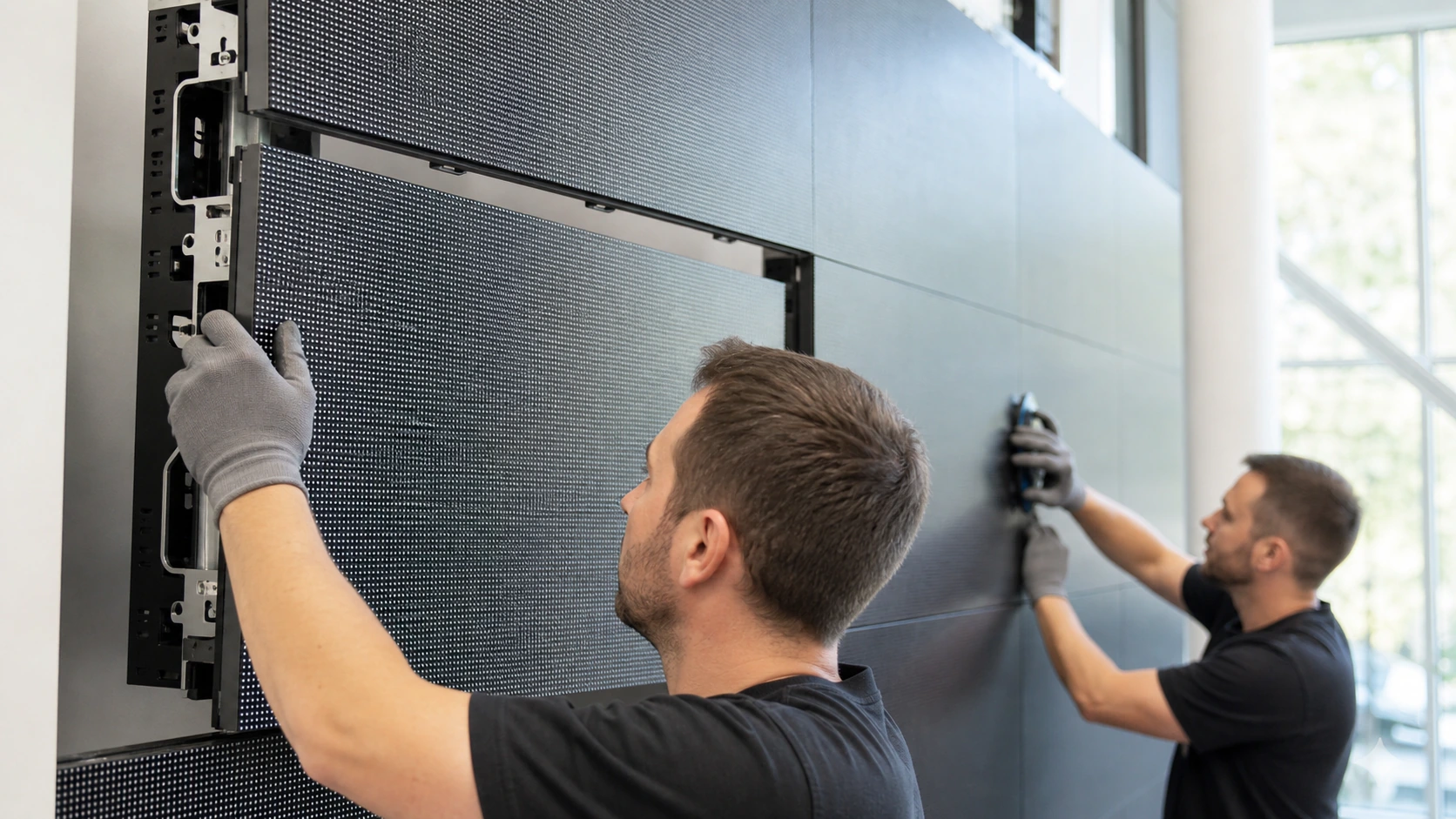
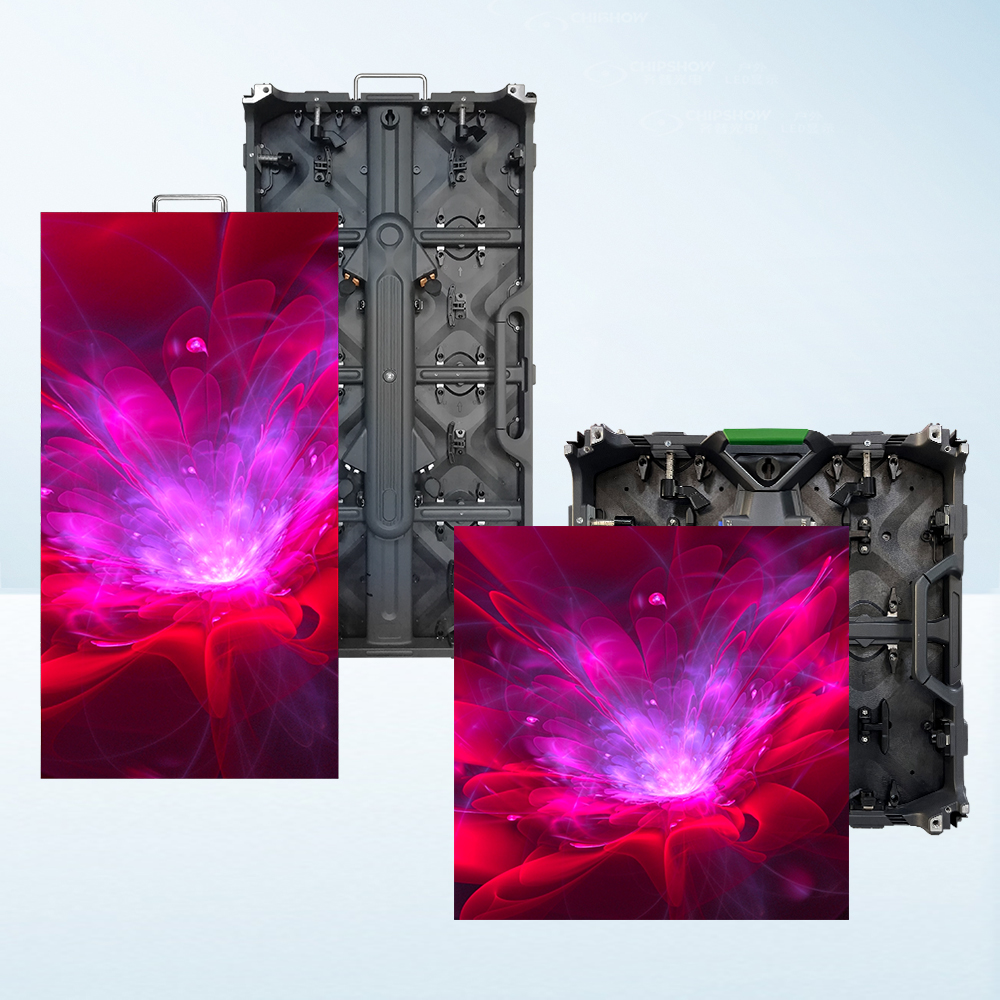
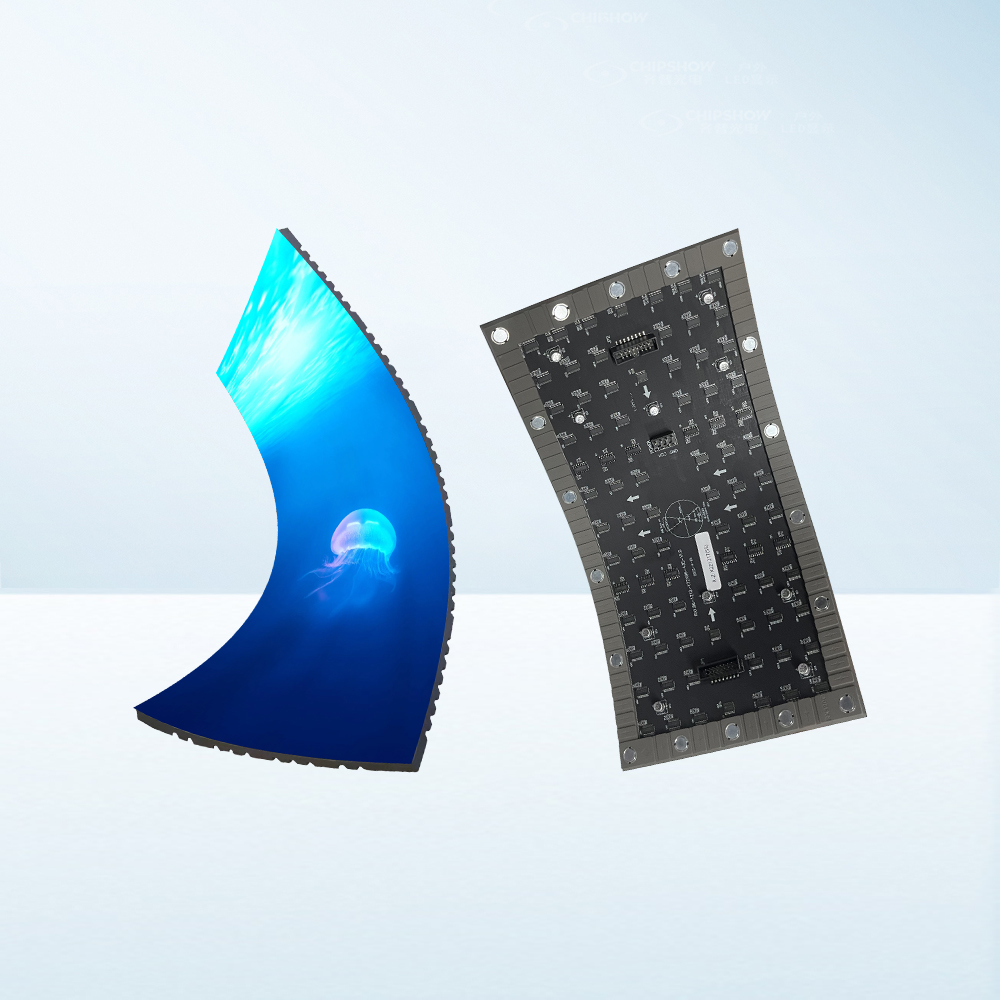
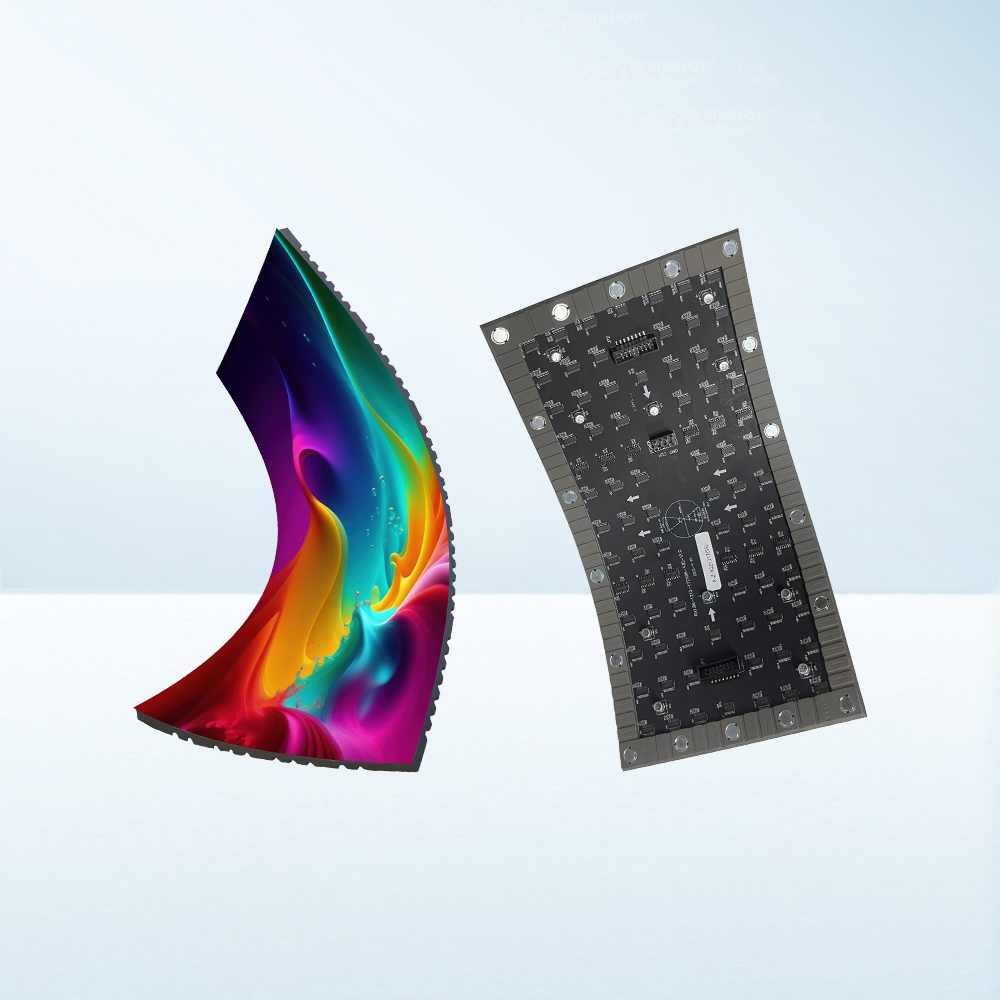
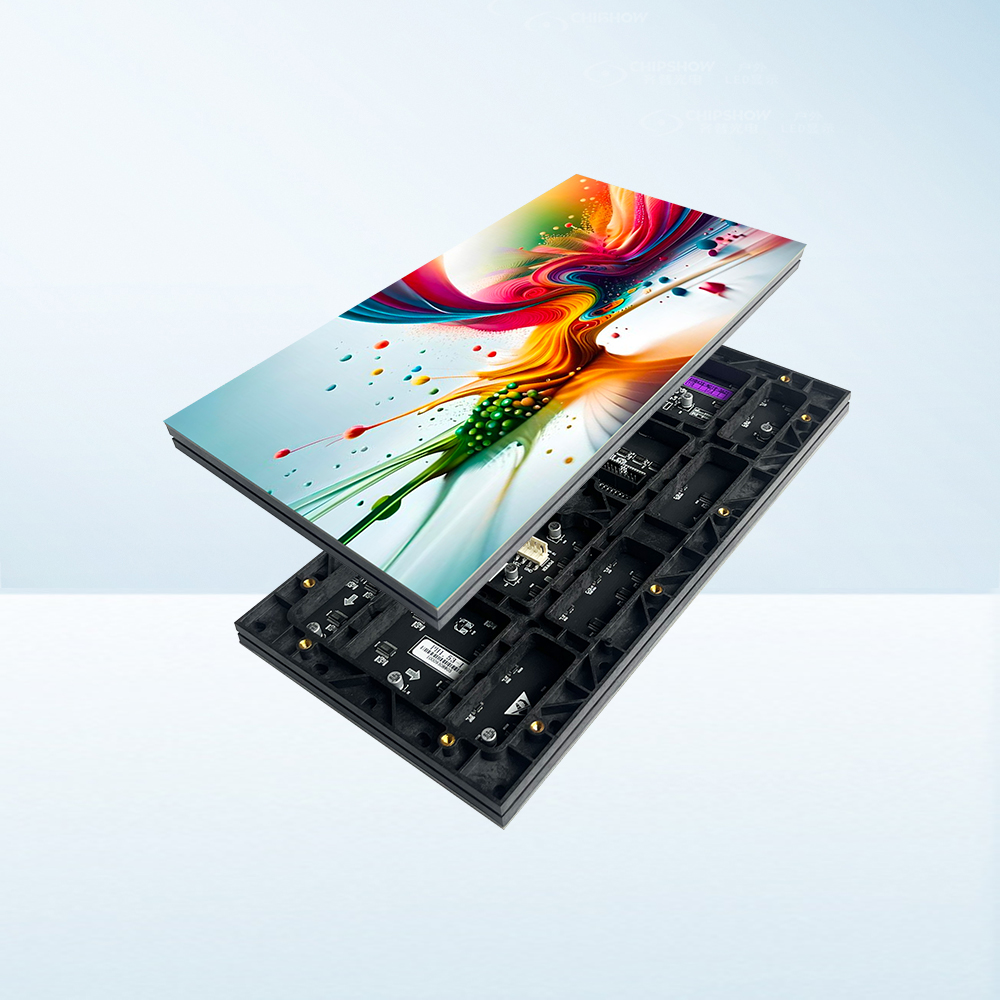
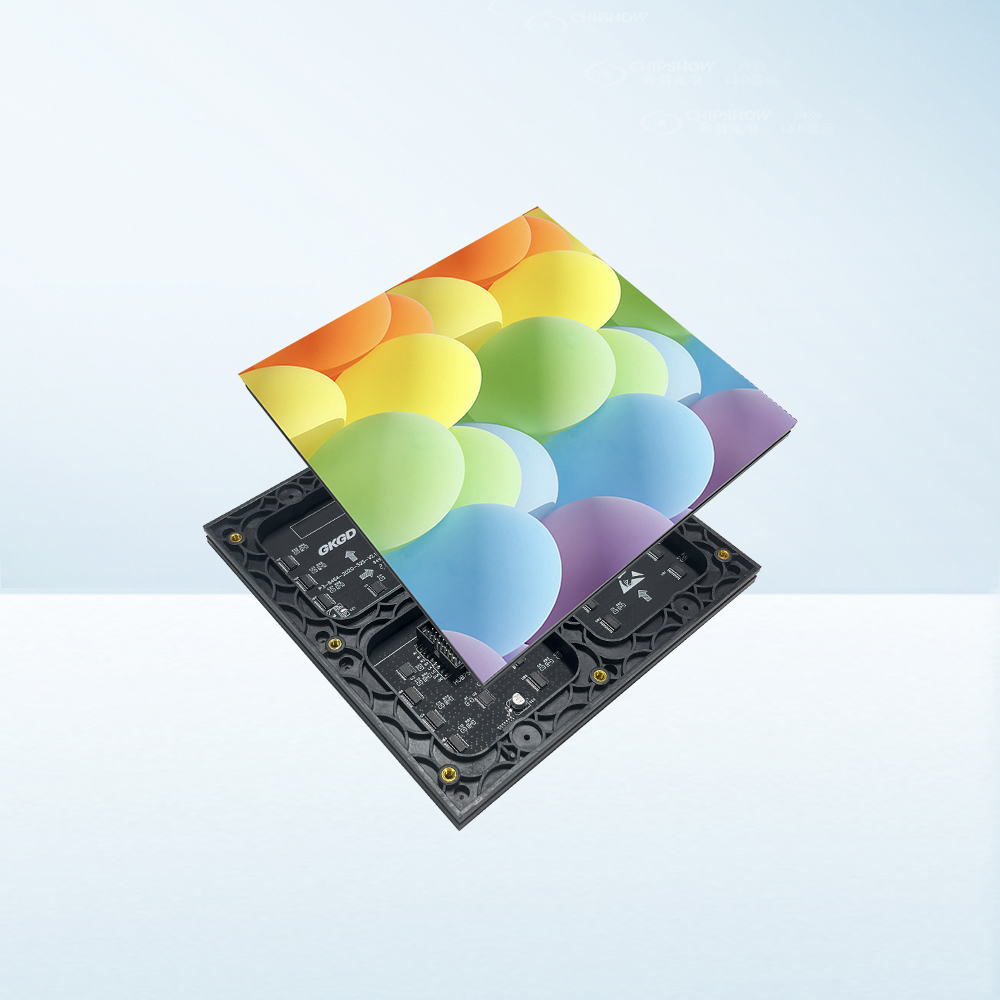
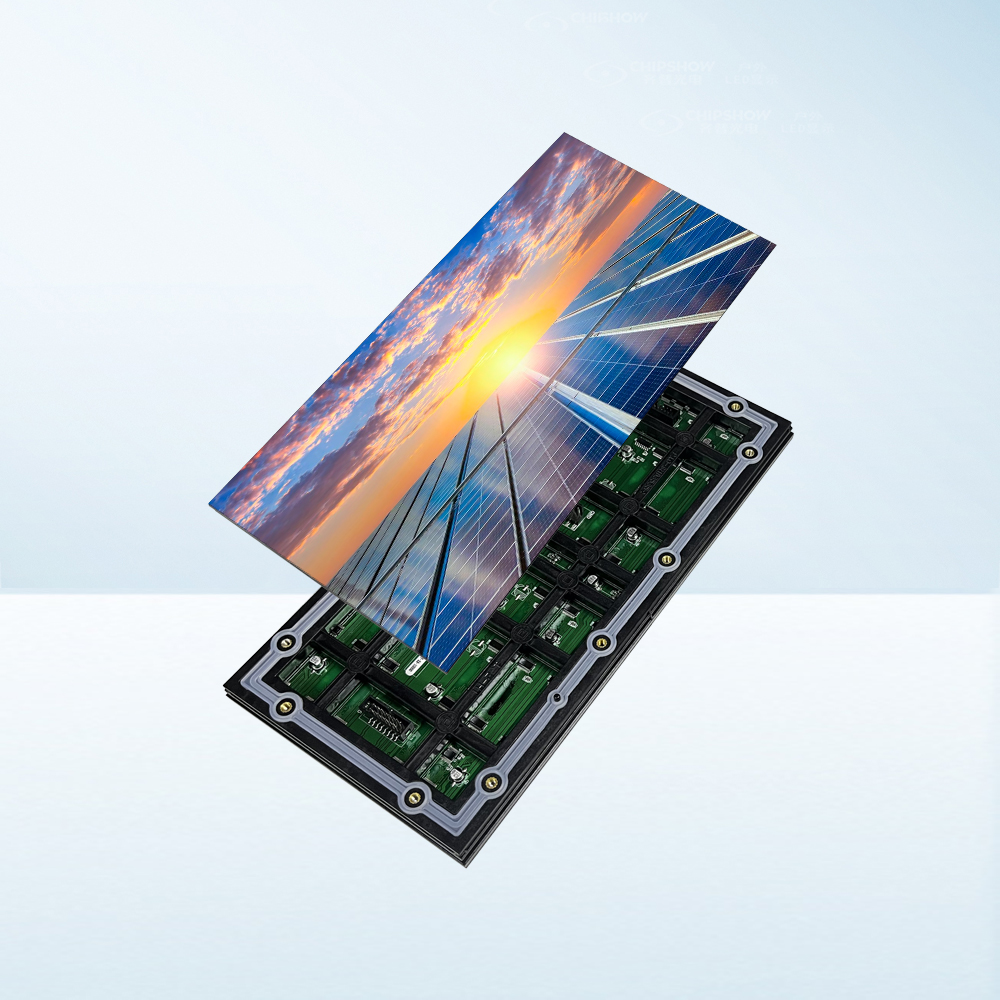
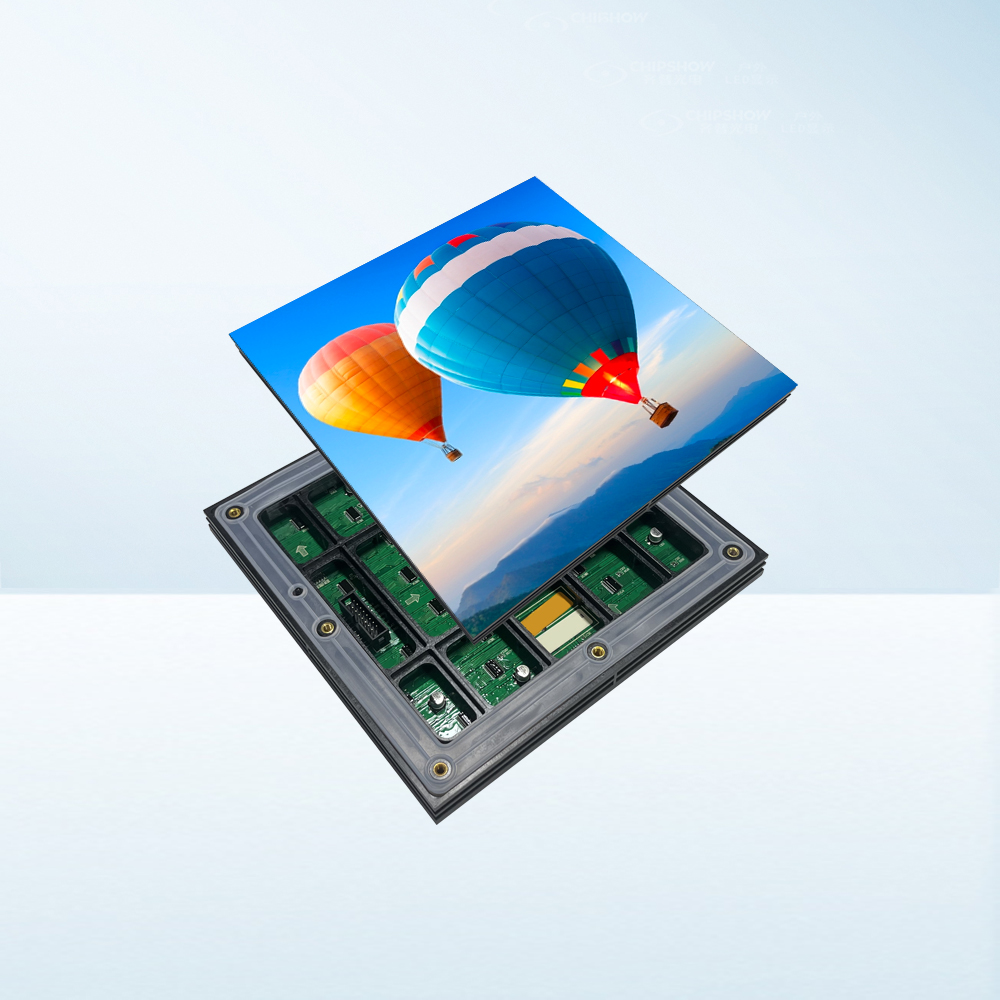
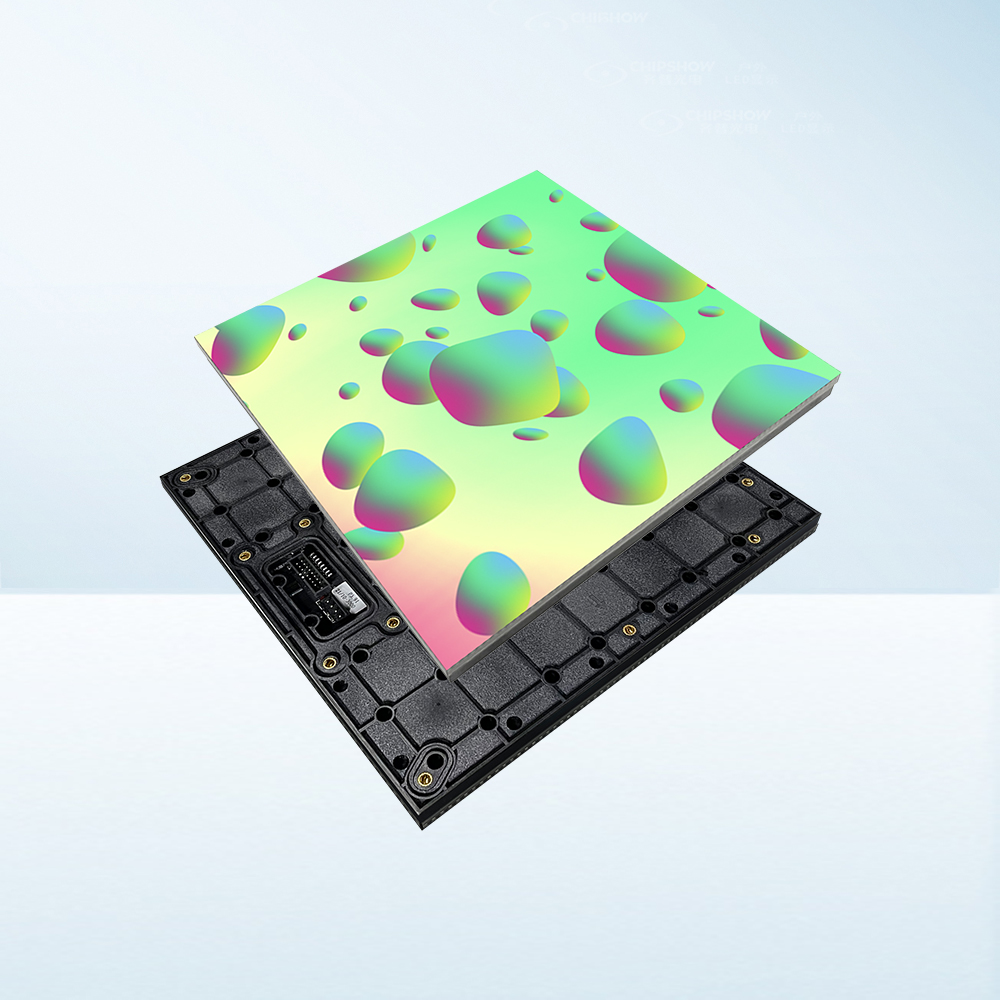
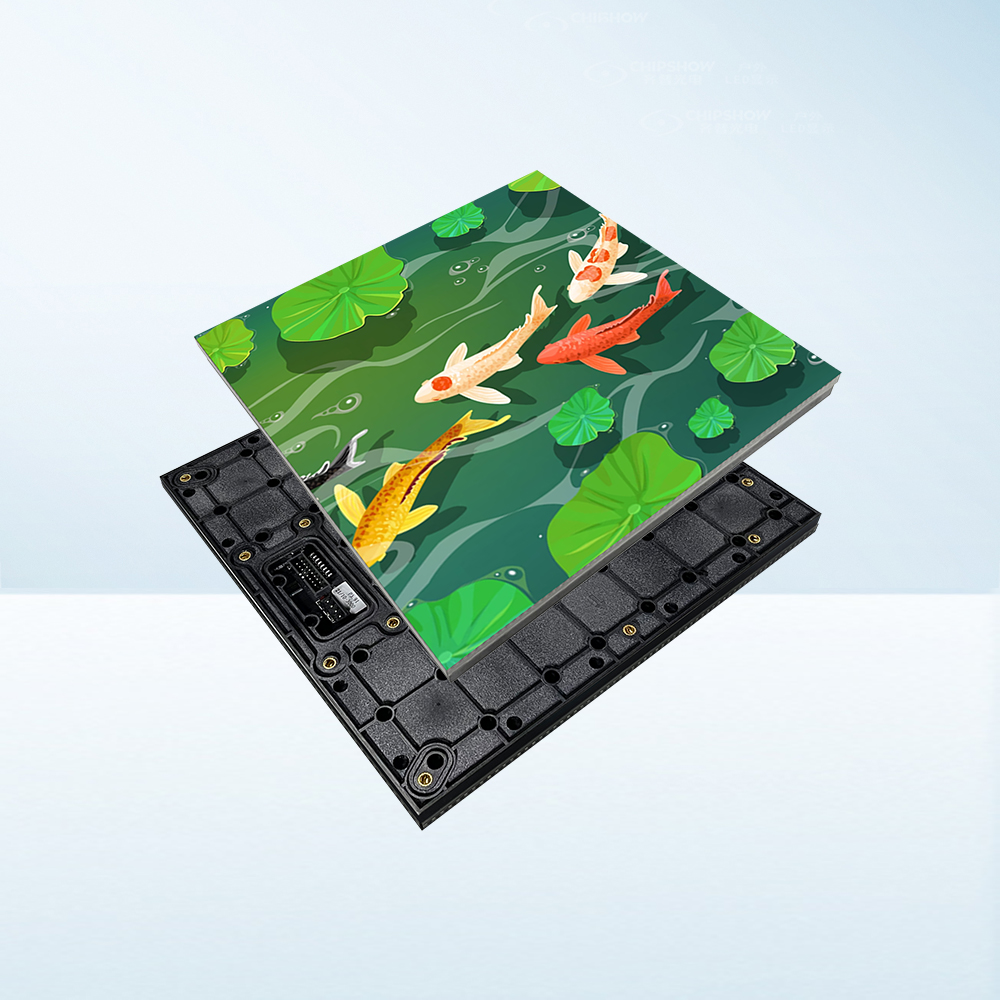
Modular LED panels make it possible to plan large display surfaces while keeping installation and maintenance manageable.
Where HC Industry fits in the project.
HC Industry is suitable for LED display projects where the screen body is the main decision: indoor LED display areas, retail LED panel walls, commercial LED screen panels, digital signage surfaces and other screen-based applications.
For a new commercial space, the useful starting point is not a single product name. It is the scene: where people stand, what they need to see, how often the content changes and how the LED wall should fit into the surrounding architecture.
Project conversation
Tell HC Industry the room type, viewing distance, screen size target and content use. The LED panel choice can then follow the space, instead of forcing the space to follow a screen.