 DE
DE  ZH
ZH  EN
EN  AR
AR  RU
RU  PT
PT  ES
ES  FR
FR  FI
FI  IT
IT  KO
KO  VI
VI  TH
TH  MS
MS  MN
MN  JA
JA 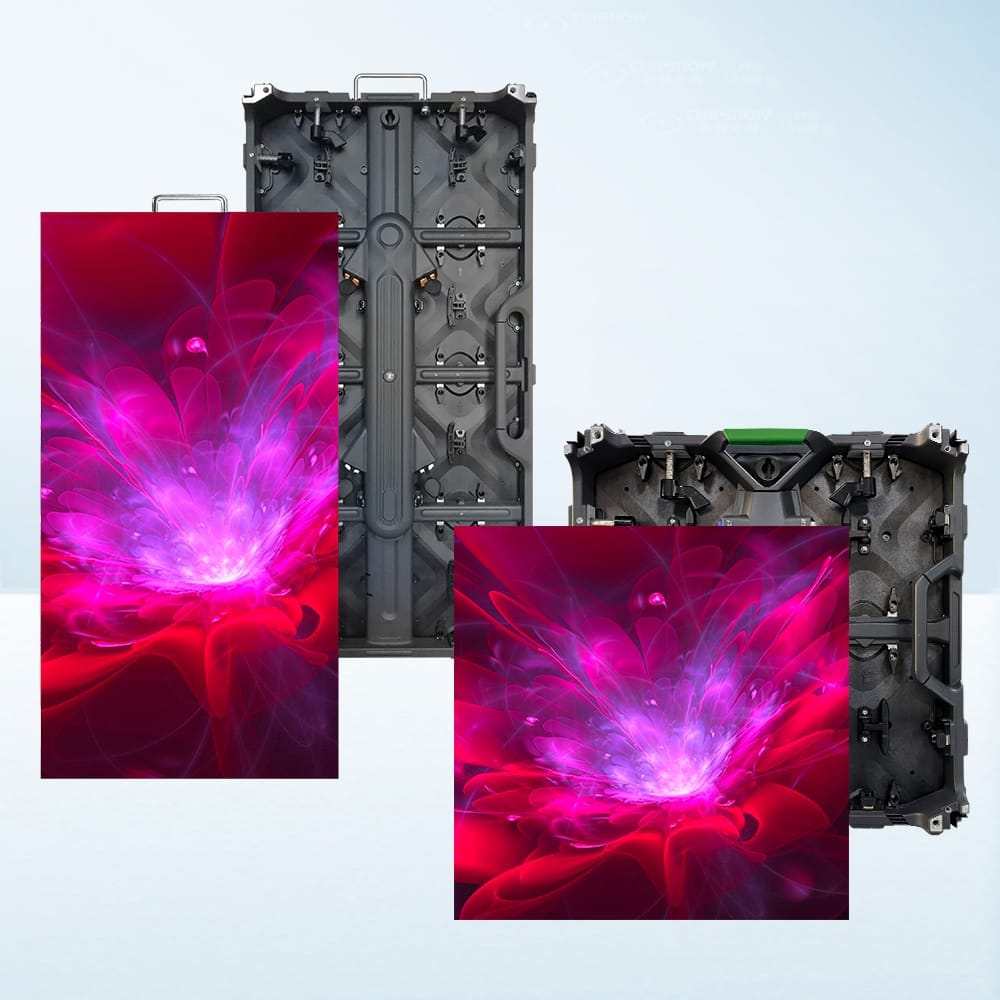
HC Industry Application Guide
Where LED Displays Fit in Commercial Spaces: Retail, Outdoor Signage and Rental Events
A good LED display decision starts with the place where the screen has to work. Retail stores, outdoor commercial facades and temporary event stages all use visual communication, but they do not ask the display to do the same job.
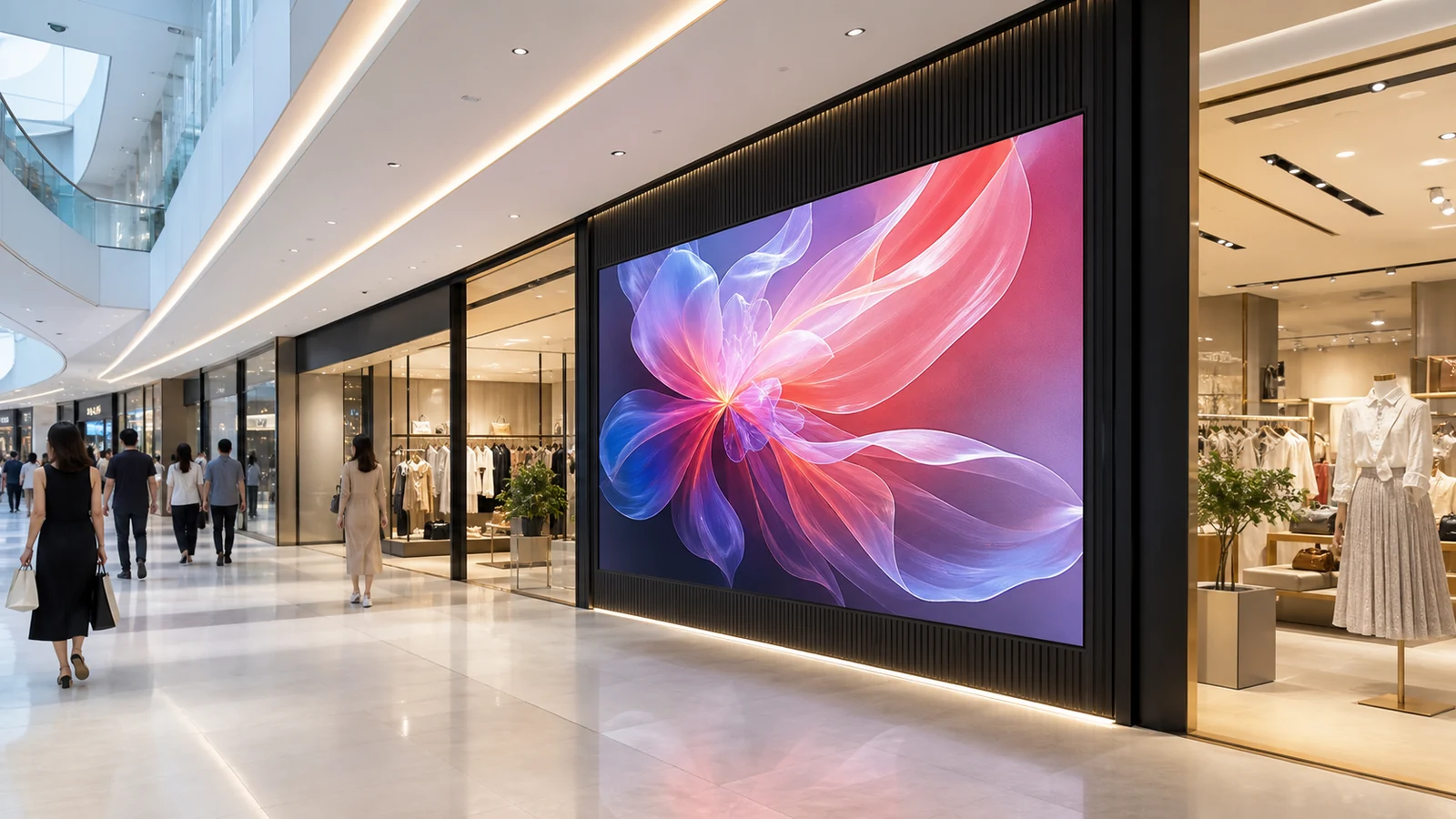
In retail environments, an indoor LED display can support attention, campaign rhythm and brand memory without turning the whole space into visual noise.
Search terms such as LED display, LED screen, LED display screen and digital signage display screens often appear in the same project conversation. That does not mean they describe one identical use case. A commercial signage project may need a screen that catches attention from a storefront, a display surface that becomes part of a brand experience zone, or a screen format that stays practical for rental events and changing venues.
For HC Industry, that distinction matters. Screen planning becomes easier when the article starts from the application scene first and then connects the scene to the LED display direction that can carry it.
Quick reading note: this guide focuses on commercial applications for LED display products. It explains where indoor LED display, outdoor LED panel and rental LED display directions fit before a project moves into detailed specification work.
Why commercial spaces choose LED display solutions
Commercial environments compete for attention in motion. People walk past a storefront, enter a lobby, gather around a stage or approach a building from a distance. In those moments, a display surface has to do more than exist. It has to make the message visible at the right time, in the right scale and in the right visual rhythm.
That is why retail advertising displays, a large LED wall in a brand experience area and a modular rental LED wall at an event should not be judged by one generic screen description. The location, viewing distance, content cycle and installation pattern change the useful product direction.
A strong commercial article should help buyers ask better questions early: Is the screen meant to stop foot traffic? Support indoor digital signage? Stay visible before visitors reach the door? Move between event venues? Those answers narrow the choice faster than keyword repetition alone.
1. Retail storefronts and brand zones: attention with a clear purpose
Retail spaces are one of the most natural homes for a commercial LED screen. A storefront or in-store brand zone may need to refresh seasonal visuals, introduce a new product line, or make a promotion easier to notice as shoppers move through the space. In this setting, the display works as part of a customer journey, not as a disconnected decoration.
An indoor LED direction can support this kind of visual communication when the space needs a larger, brighter and more integrated display surface than a small monitor can provide. The screen can become a campaign wall, a visual anchor beside merchandise or a changing background for a flagship zone. That is where phrases such as indoor LED, indoor LED panel and LED display panel start to connect with a real project need.
The best retail result is not the loudest one. It is the display that keeps the message legible while still respecting the store layout, product focus and viewing moment.
Retail planning checklist
- Decide whether the display should attract first attention, support in-store storytelling, or do both.
- Match the content scale to the customer viewing distance and walking speed.
- Keep surrounding merchandise, lighting and brand tone in the decision instead of treating the LED wall as a separate object.
2. Outdoor commercial visibility: the message starts before the entrance
Some signage has to work before a visitor is close enough to read a poster or notice a window display. Outdoor facades, commercial entrances and building-facing advertising positions need a stronger visual signal across a wider approach path. In that situation, an outdoor LED panel or an outdoor LED display direction is part of how the site communicates from a distance.
The outdoor conversation is different from the indoor one. A project team has to think about the screen location, the viewing path, the relationship between the facade and the message, and the content size that can stay clear in context. The word video wall may still appear in research, but the real question is whether the chosen display form fits the environment and the commercial goal.
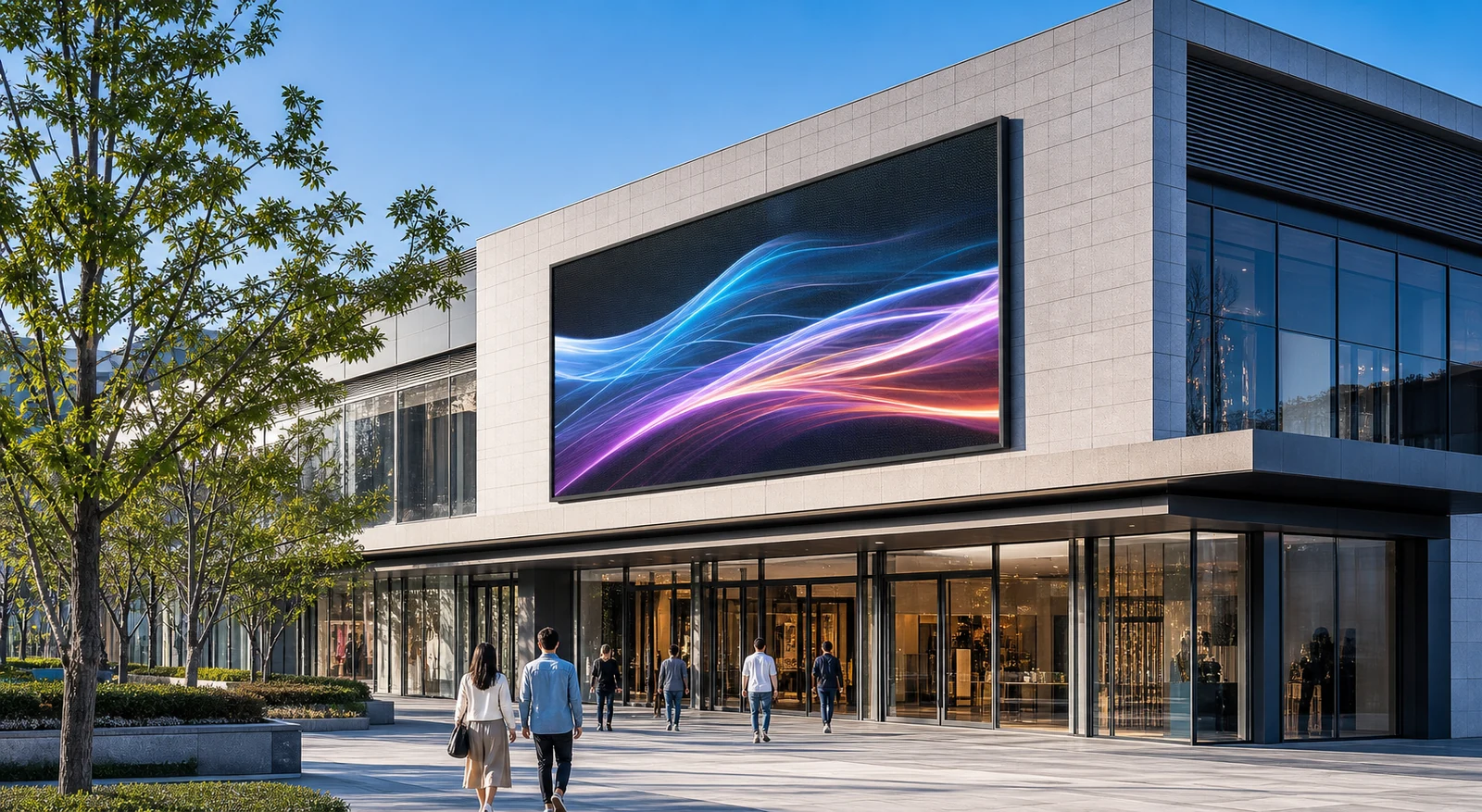
Outdoor LED display planning begins with the building, the approach path and the visibility moment, not with a screen buzzword alone.
For HC Industry content, outdoor application articles can naturally connect broad search intent with more focused product groups such as outdoor LED display modules and outdoor screen directions, while avoiding claims that belong to a specific specification sheet.
3. Rental events and stage backdrops: flexibility becomes part of the value
A temporary event needs a different kind of display thinking. A product launch, conference stage, roadshow or performance backdrop may need a large visual surface, but the screen also has to suit repeated setup, changing content and a venue-driven layout. This is where rental LED display and rental LED wall search intent becomes meaningful.
At an event, the LED wall is often tied to stage composition. It supports speakers, launch visuals, atmosphere and audience focus. The display does not sit in a fixed retail interior or a permanent facade. It belongs to a system of transport, installation rhythm and scene changes, so a rental screen direction is a more useful starting point than a generic LED display label.
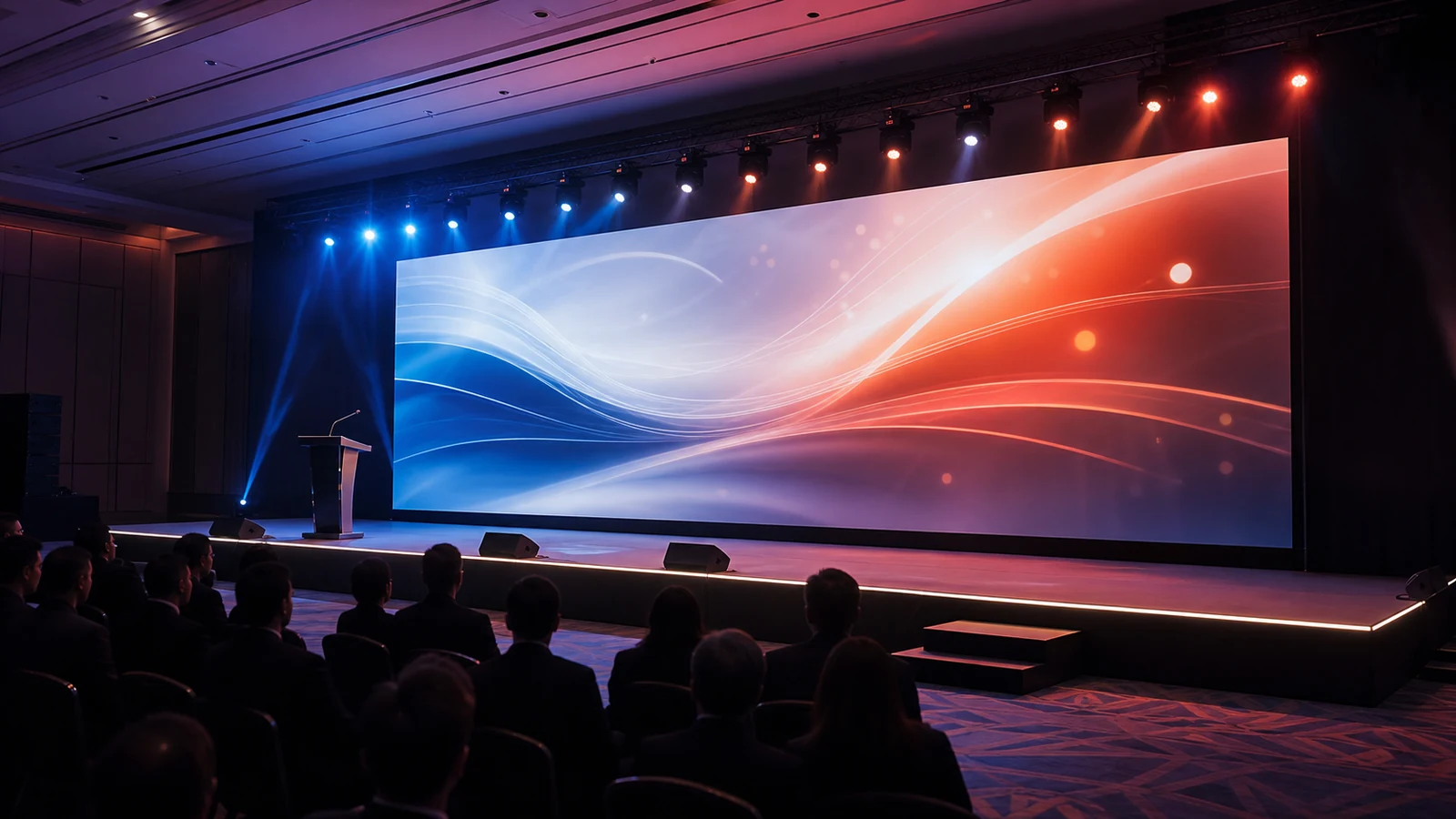
A rental LED wall supports stage storytelling when screen scale, setup rhythm and content planning work together.
This is also why an event article should not force every keyword into one product paragraph. Rental display needs deserve their own context, their own examples and their own connection back to HC rental LED display directions.
4. From screen scene to product direction: what should be compared next?
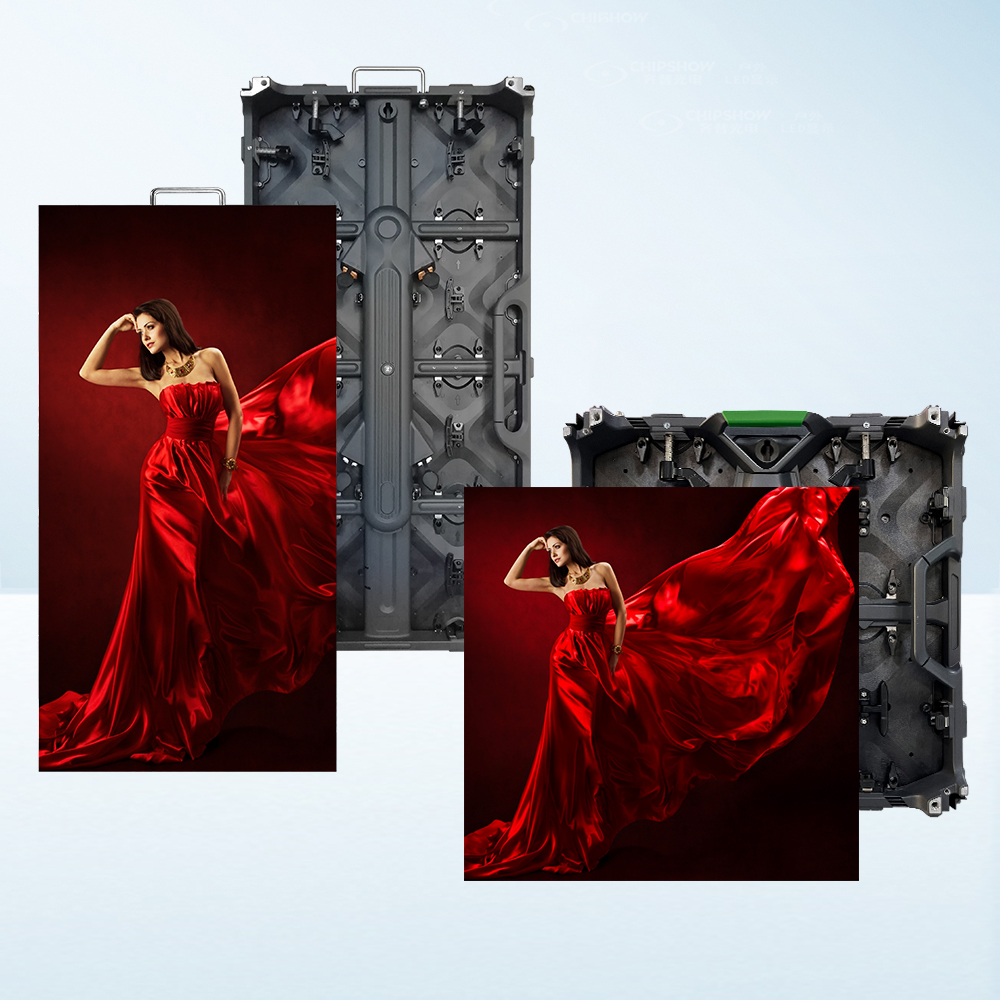
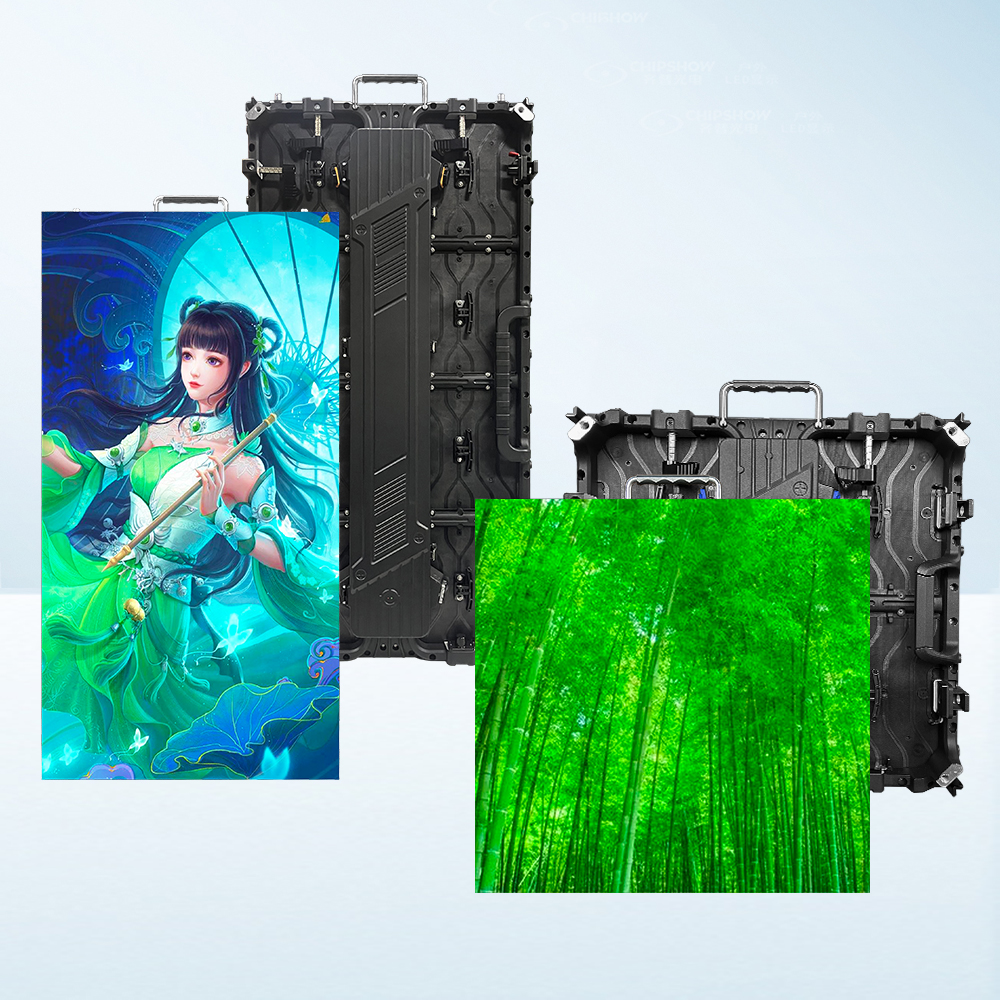
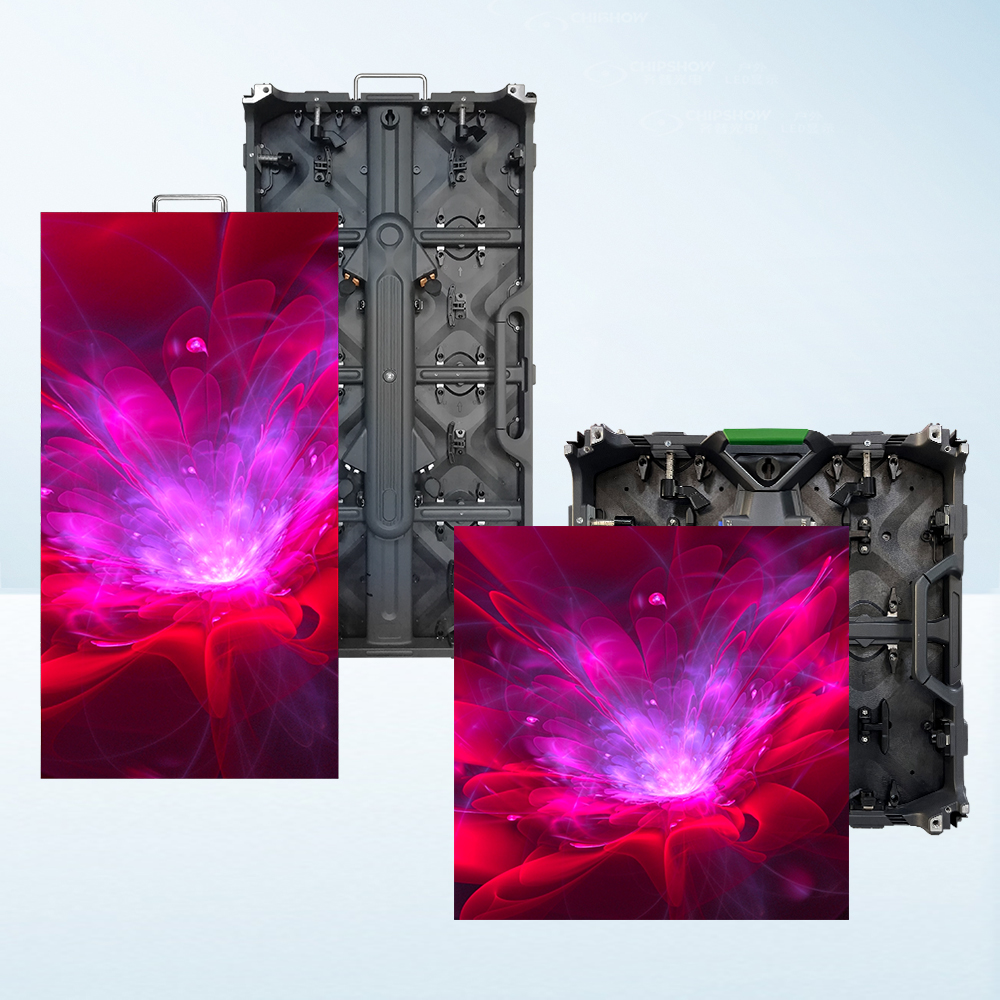
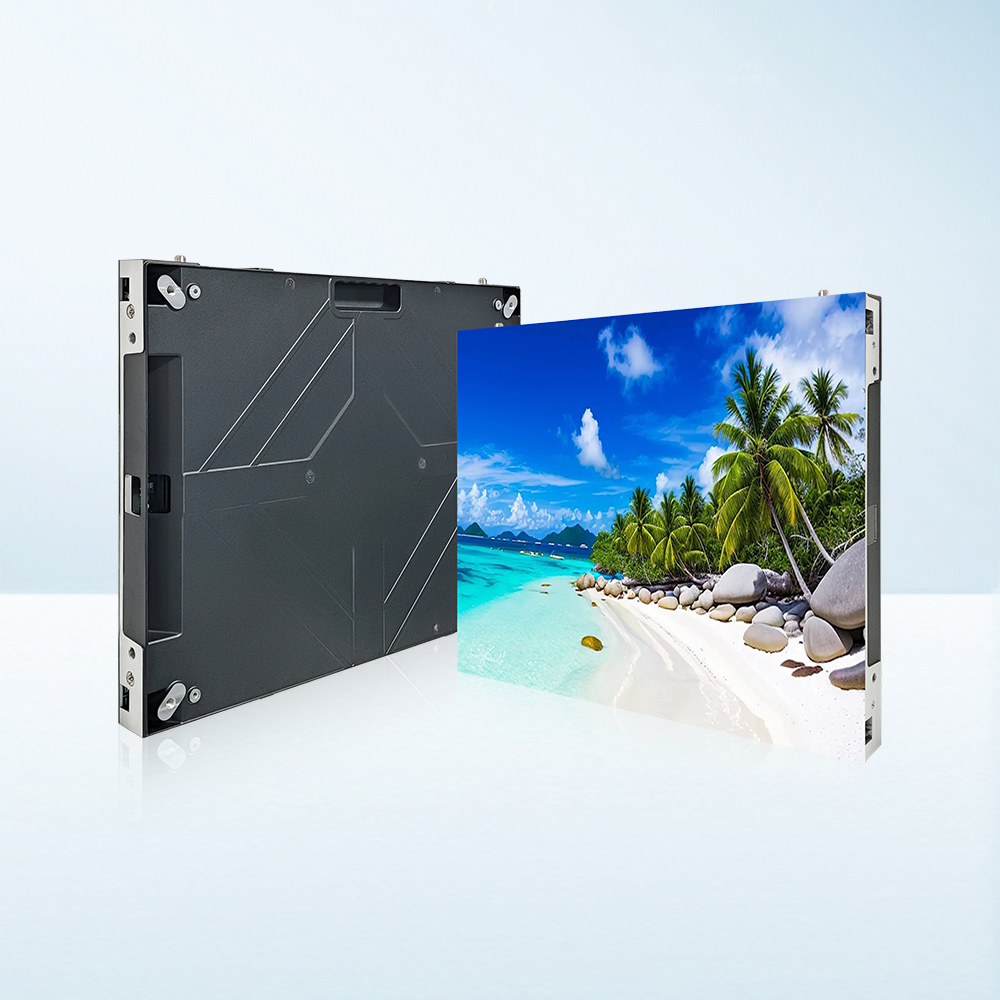
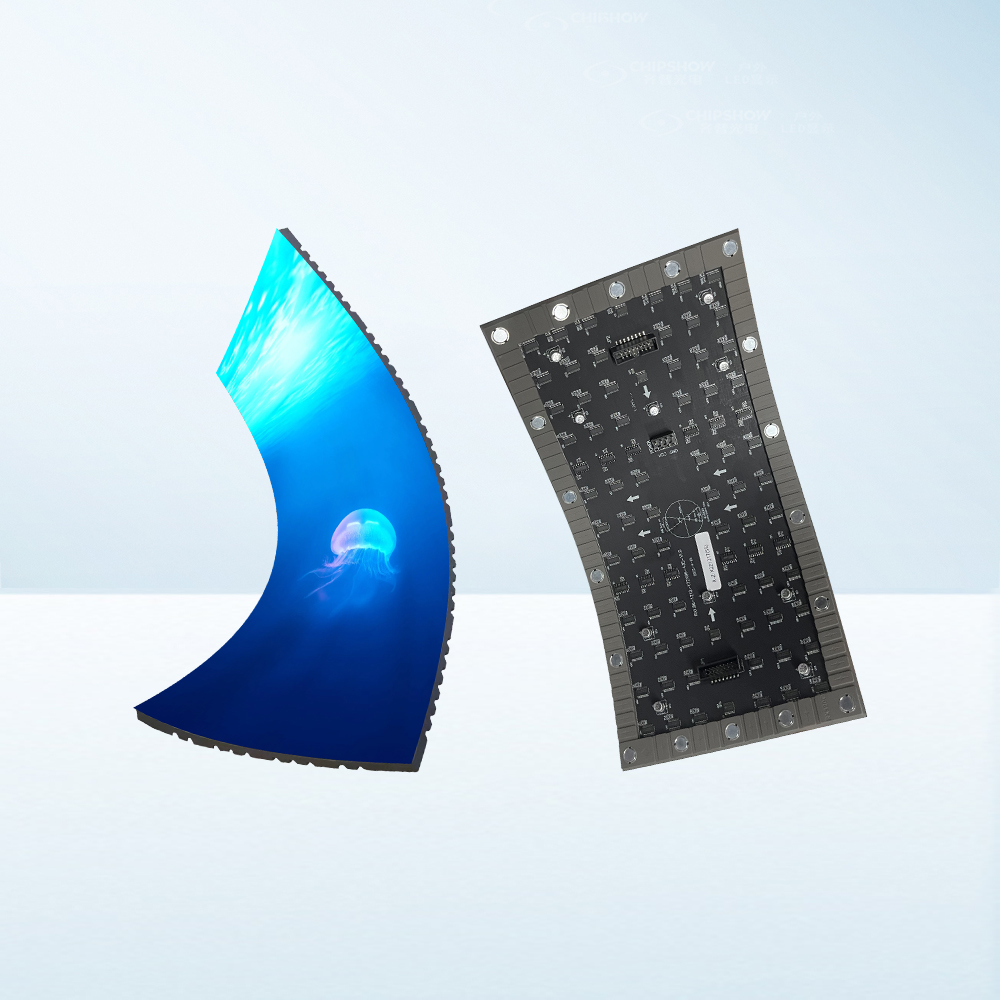
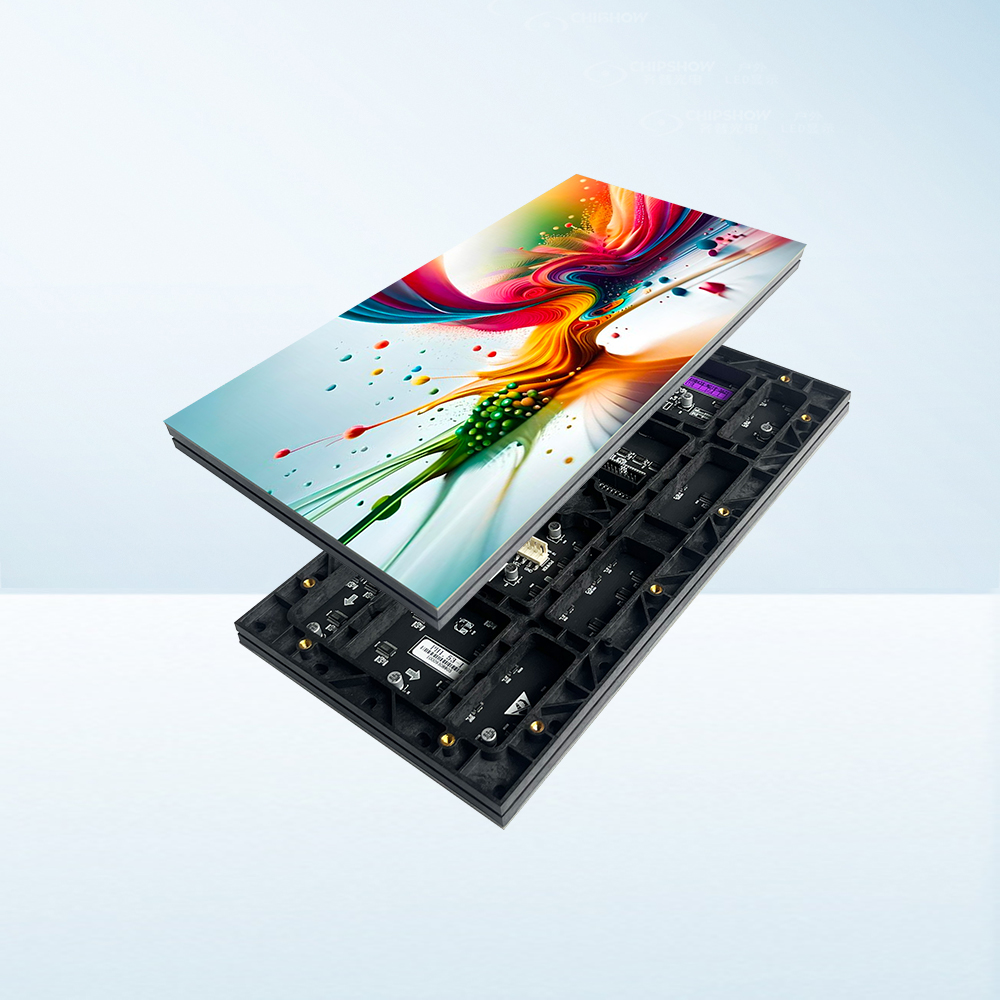
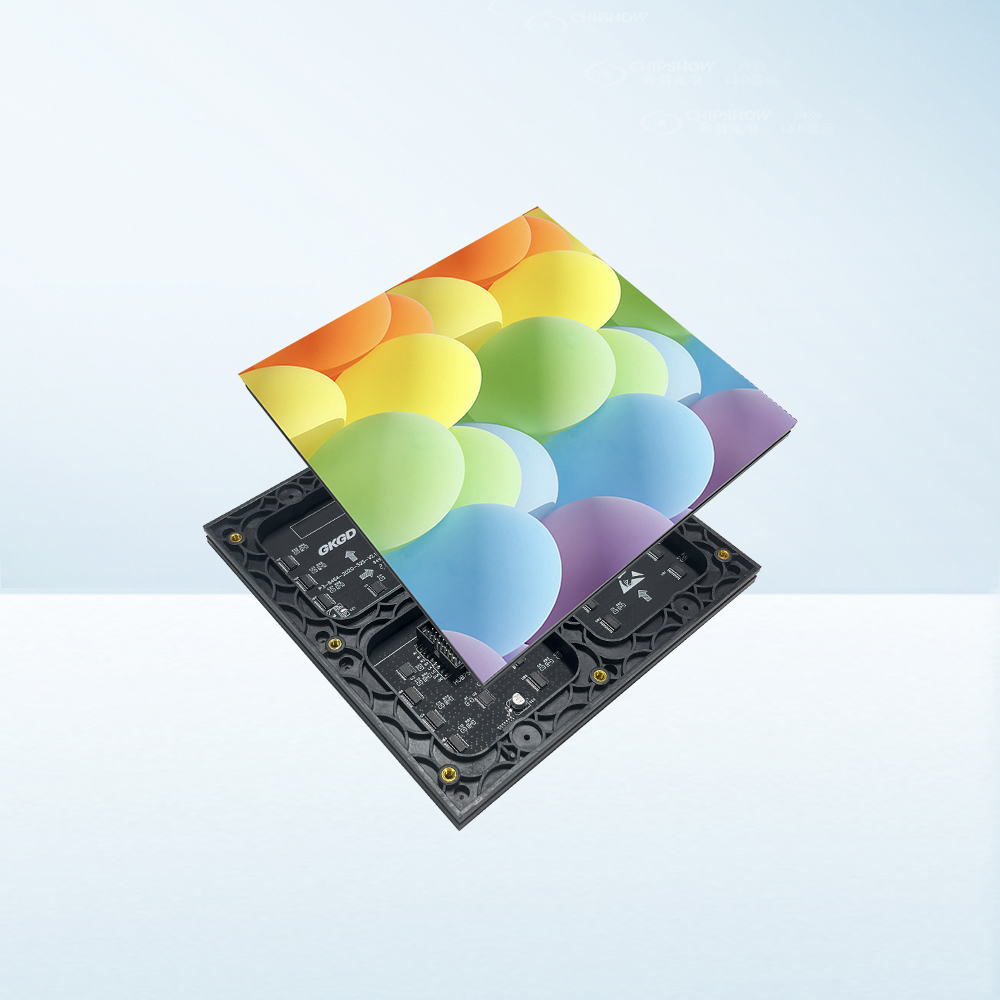
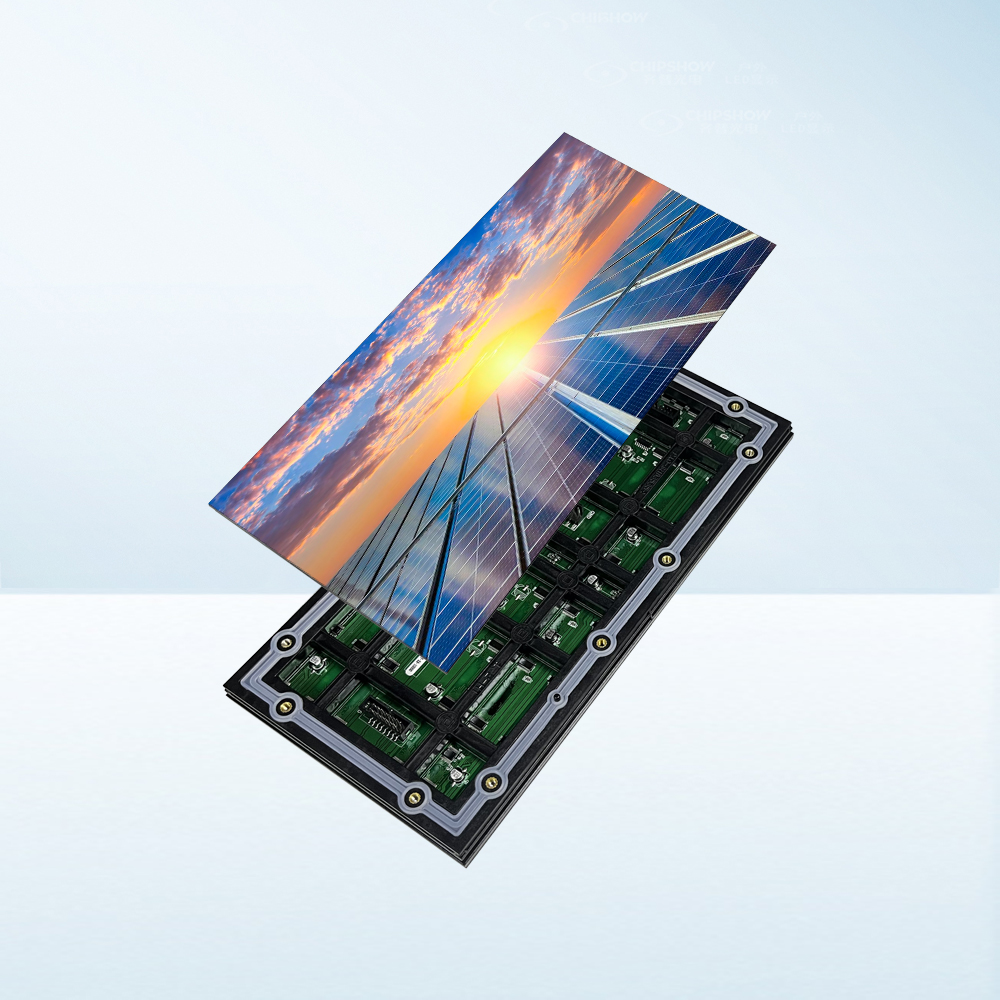
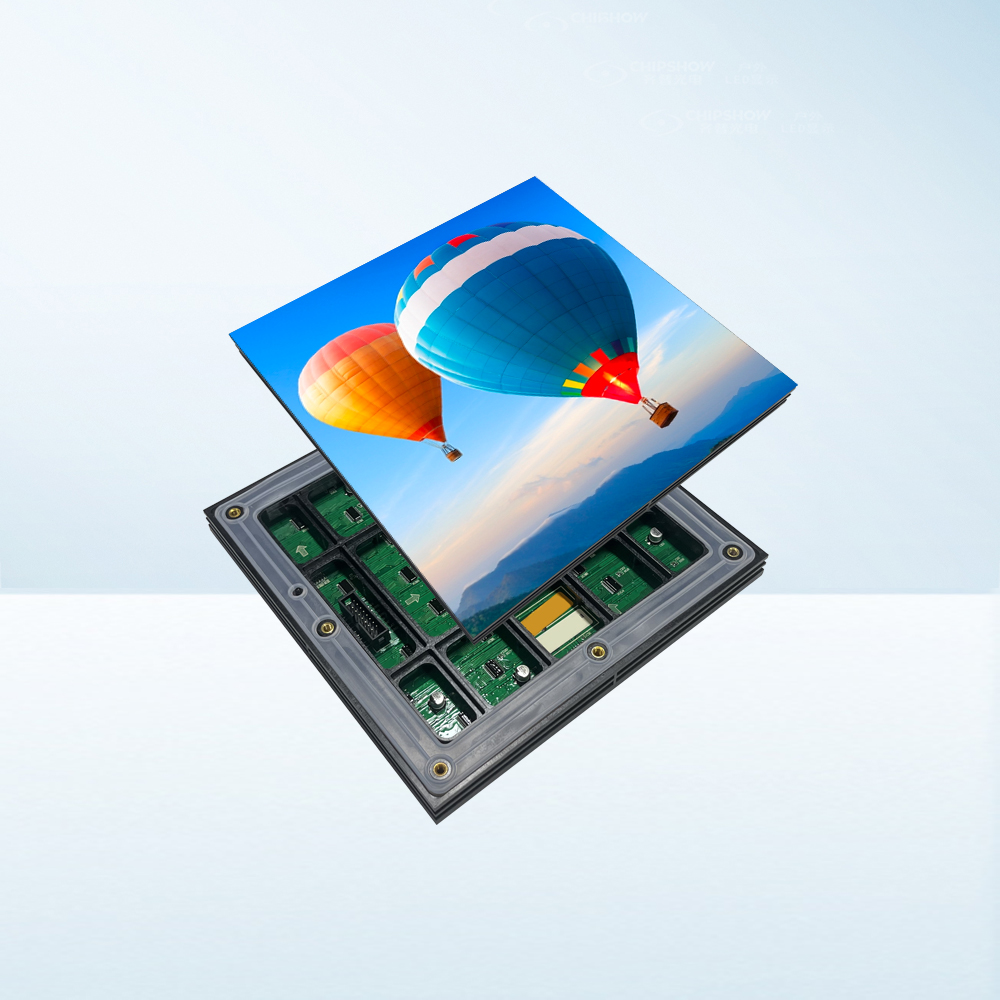
Once the application scene is clear, the next comparison becomes more practical. The project may move toward indoor LED display modules, outdoor LED display modules, rental LED display cabinets, flexible LED display ideas or related accessories depending on the space and the visual job to be done.
A broad search for LED module, LED panel, LED screen panel or LED wall panel can point toward product structure, but it should still be interpreted through the scene. A fixed retail brand zone, an outdoor facade and a rental event do not carry the same installation logic.
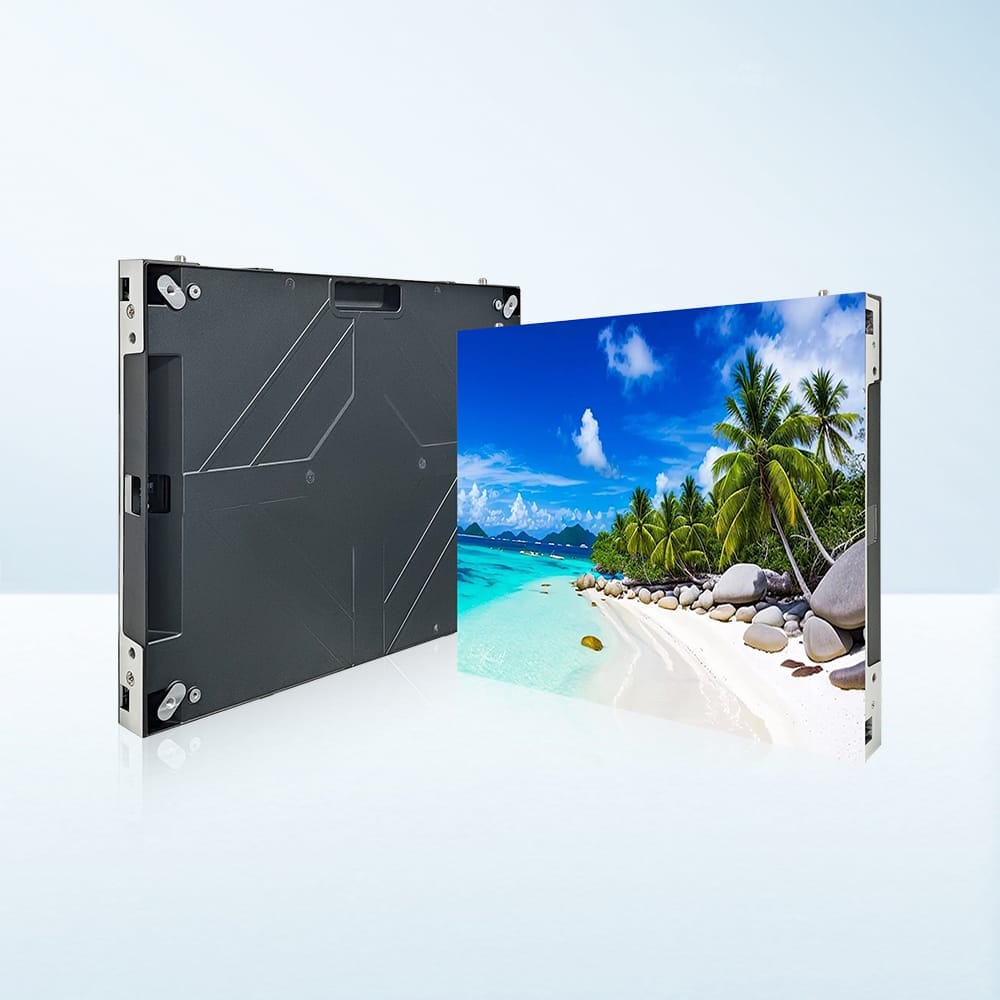
Indoor product directions are relevant when the screen belongs inside retail, showroom or other controlled commercial spaces.
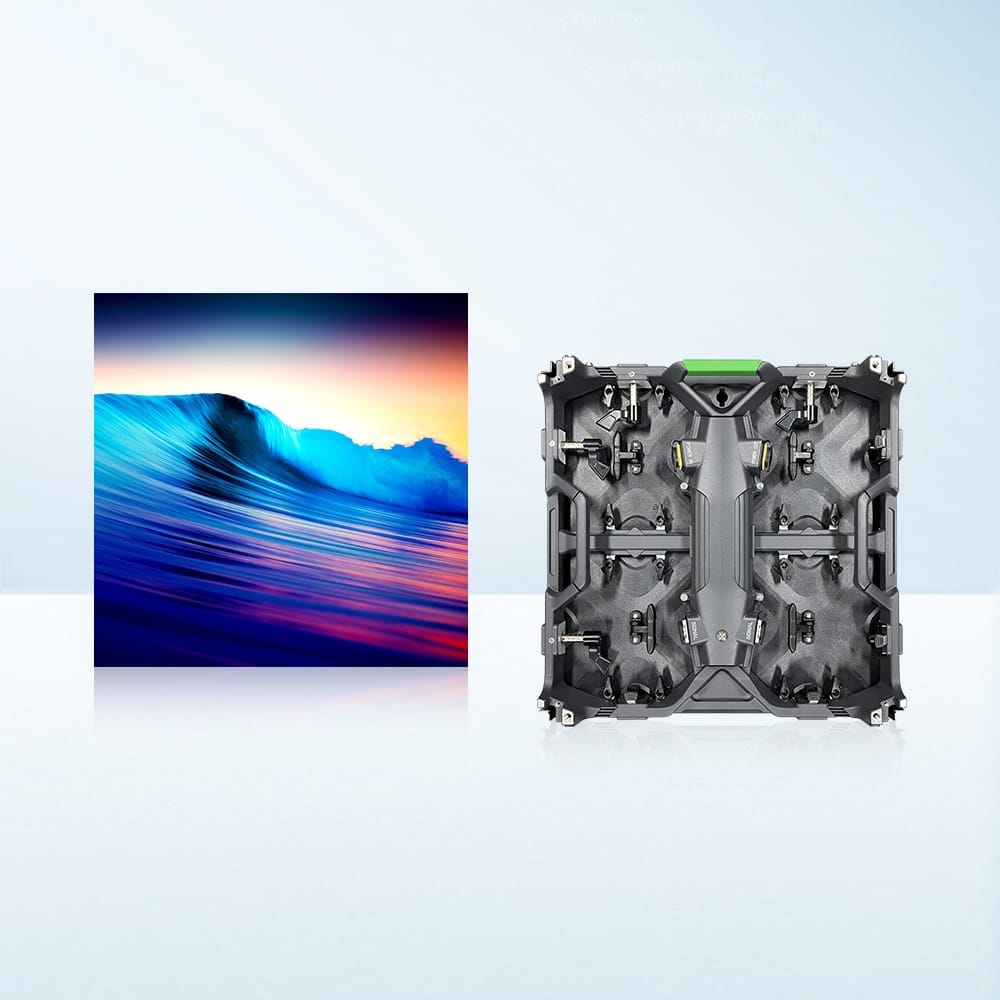
Rental display directions become relevant when a screen is expected to move with events, stages and changing venue layouts.
A practical application map
- Retail storefront and indoor brand zone: start from indoor LED display direction, content rhythm and customer viewing flow.
- Outdoor commercial facade: start from outdoor LED display direction, site visibility and message scale.
- Temporary stage or roadshow: start from rental LED display direction, screen scale and event setup pattern.
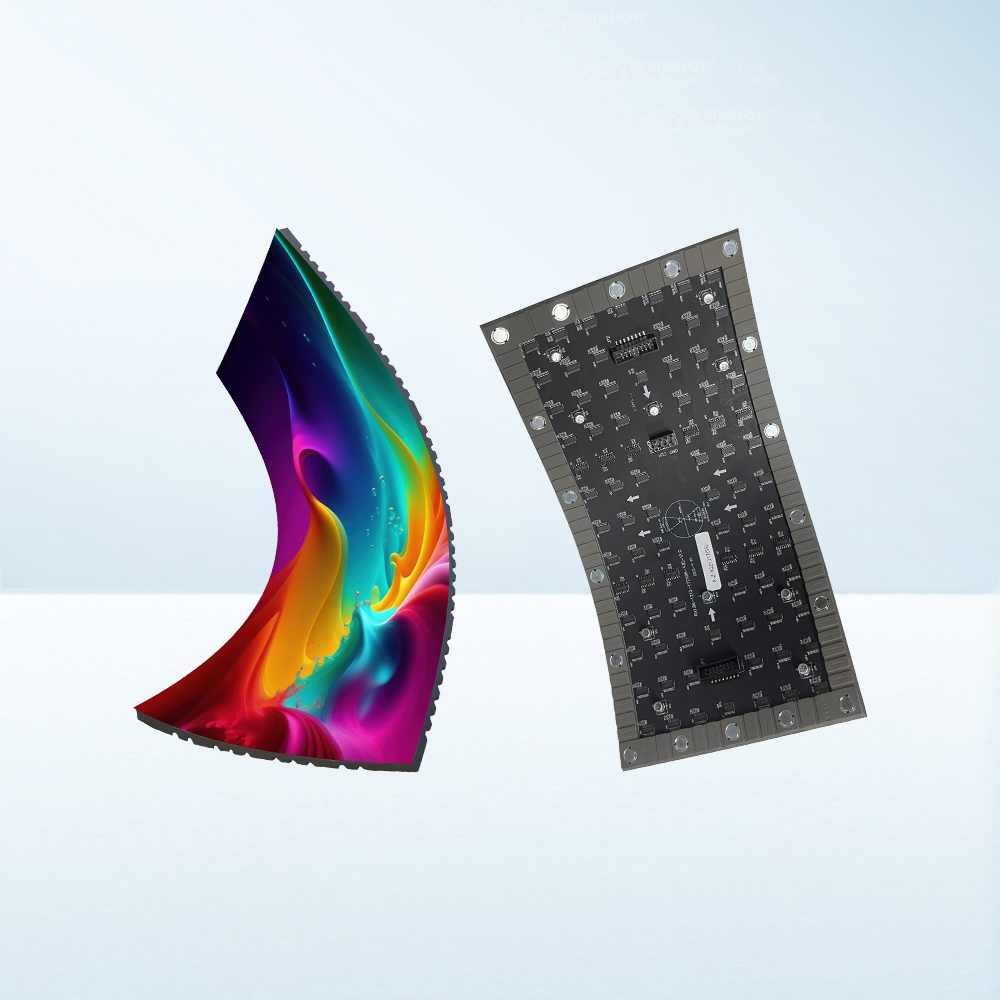
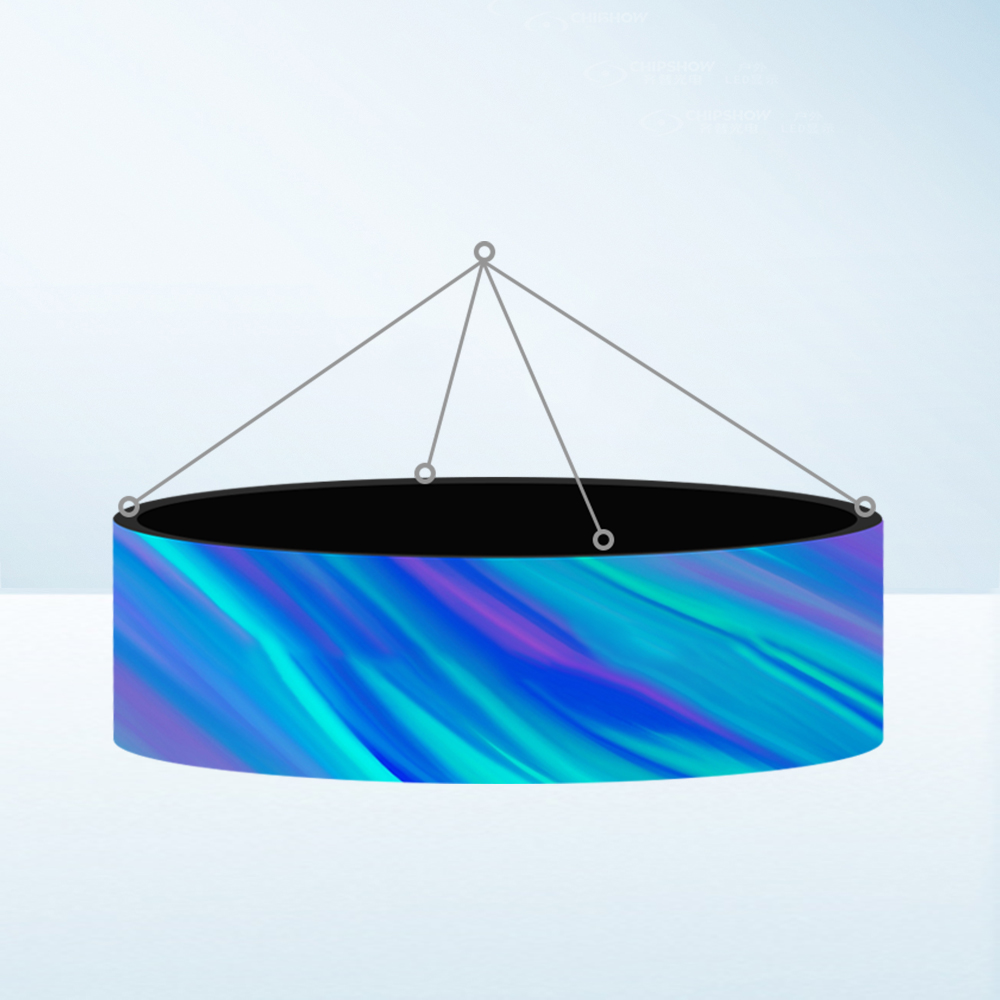
- Curved or unusual visual surfaces: consider whether a flexible LED display direction belongs in the next round of product comparison.
5. What makes an LED display article useful for buyers?
A useful application article does not treat every high-volume search term as a promise. It connects search intent with a buyer problem. Someone researching an LED display screen for a commercial project may still be deciding whether the screen belongs indoors, outdoors, on a stage or in a more specialized visual form. The article should help that decision progress.
That is also why image placement matters. A retail scene helps explain indoor attention. An outdoor facade image helps explain pre-entry visibility. A stage backdrop image helps explain rental context. Product images then bring the discussion back from scene language to actual HC display directions.
When the writing, imagery and keyword layout all point to the same application logic, the article becomes easier to read and more relevant to the search journey.
Start with the commercial scene, then choose the LED display direction
HC Industry supports LED display conversations across indoor, outdoor and rental application needs. If your next project begins with a retail brand zone, a building-facing signage position or an event stage, define the scene first and let the right product direction become clearer from there.
Explore the HC LED display direction that fits the space, the viewing moment and the message you need to deliver.